The Kaiser’s Birthday, place Kléber, Strasbourg

January 27th, 1859 was the day the future Kaiser Wilhelm II was born.  During the occupation of Alsace, it was evidently deemed fitting that parades were held in Strasbourg to mark great events and as the central of Strasbourg’s various squares and places, place Kléber would be an obvious choice for a birthday Mass.

Place Kléber is named after General Jean-Baptiste Kléber, whose statue dominates the space. He was assassinated in Egypt in 1800, but Napoleon refused to allow his body to be brought home to his native Alsace. Eventually Philippe Glass designed a monument which was inaugurated in 1840 and Kléber’s ashes lie underneath. (1)

The Franco-Prussian War, 1870-1, brought to an end a peaceful, prosperous period for the city of Strasbourg. The inhabitants and buildings of Strasbourg suffered considerably during the war. German troops led by General von Werder intended to capture the city and France was unable to send help because of its losses at Sedan, so the small garrison at Strasbourg was effectively isolated. The city was heavily bombarded from August 1870 until it surrendered on 28th September.  President Poincaré awarded the city the Légion d’Honneur in 1919 and his speech tracing that period is reproduced in Guides Illustrées Michelin des Champs de Bataille (1914-1918) : Strasbourg (2)

This postcard artistically depicts the terrible scene. General Kléber’s statue is clearly visible among the chaos.
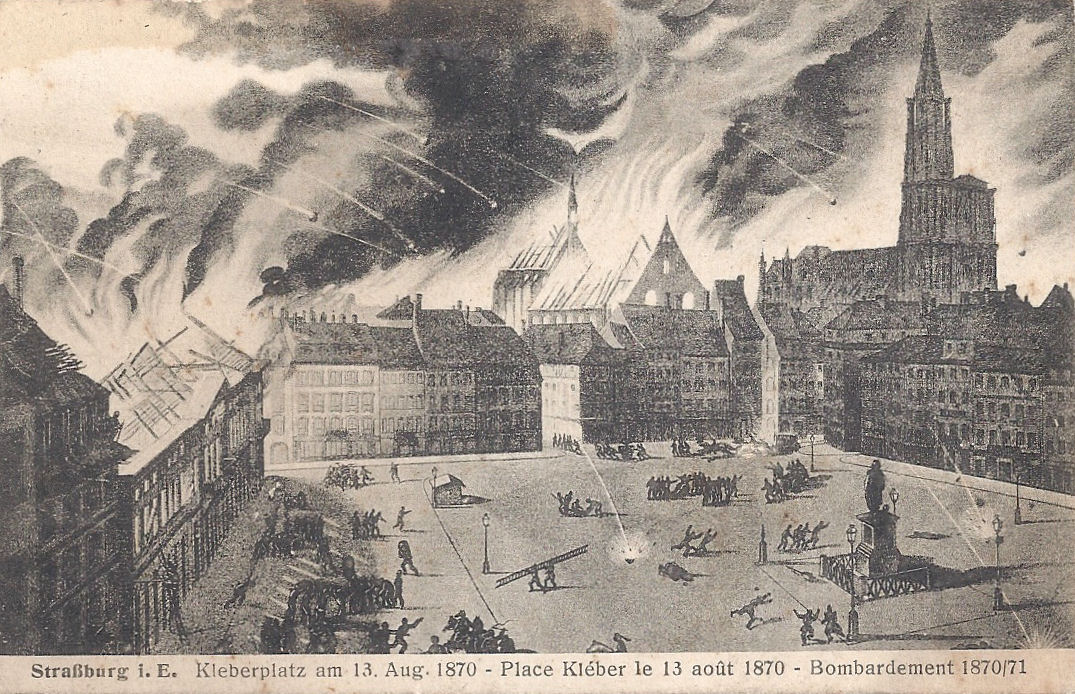
Strasbourg Place Kleber bombardment 1870

From then on, Strasbourg was German.  This card shows an open air service to mark the Kaiser’s birthday in January 1915. General Kléber’s snow-covered statue is surrounded by German troops. It is a massive statement of power.
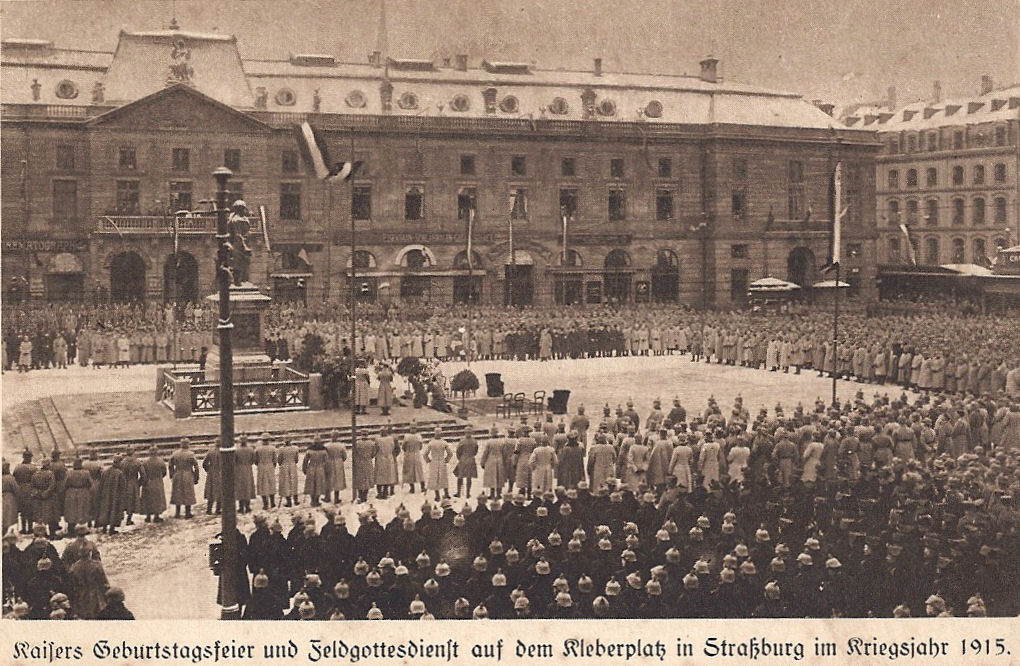
Strasbourg Place Kleber Kaiser's birthday & open air service 1915

There is a certain irony and poignancy in the next two cards, both featuring the same location, place Kléber. The first shows French troops re-entering Strasbourg after the Great War. General Kléber’s statue is in the centre of the photograph.
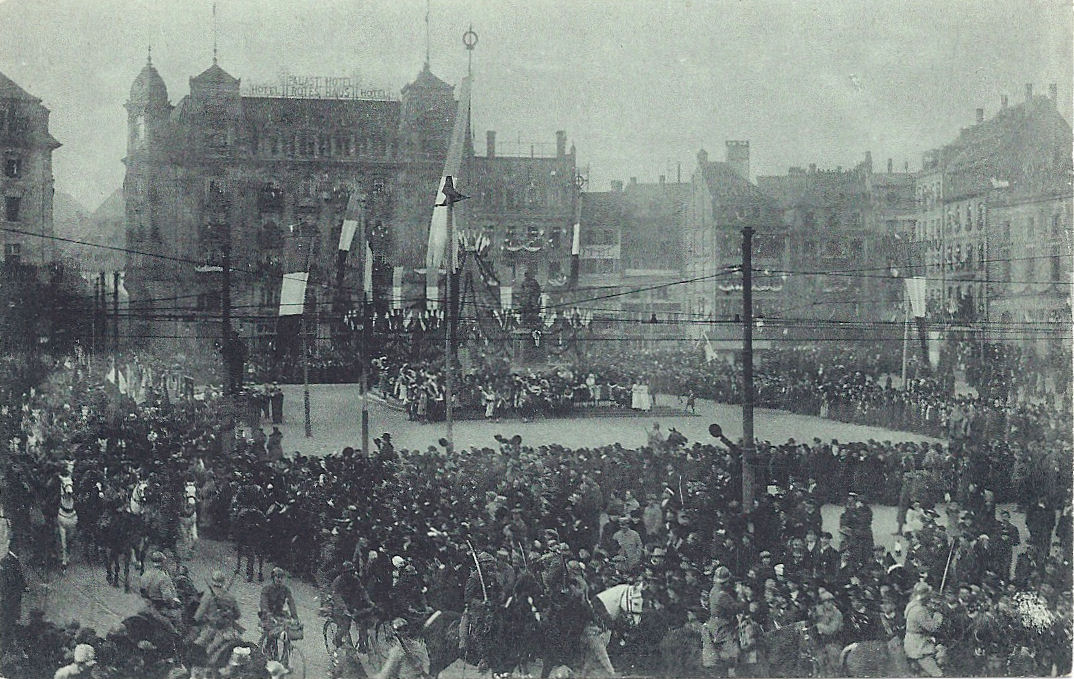
Strasbourg Place Kleber entry of troops after War

Here is the entry of Maréchal Pétain on November 25th, 1918.

Strasbourg Place Kleber Petain troops 25.11.1918

Place Kléber seems to have changed little since that time and many visitors to Strasbourg in the Christmas period head straight to see the le Grand Sapin de Noël. (Unfortunately I didn’t capture Kléber in this photo.) Happy times.

Sapin

Peace restored to the city: place Kléber in the era of trams where the troops once stood. Kléber and the cathedral pin the view to its past while business people, shoppers and travellers pass through to their work, the great department stores and the cafés as they do today.
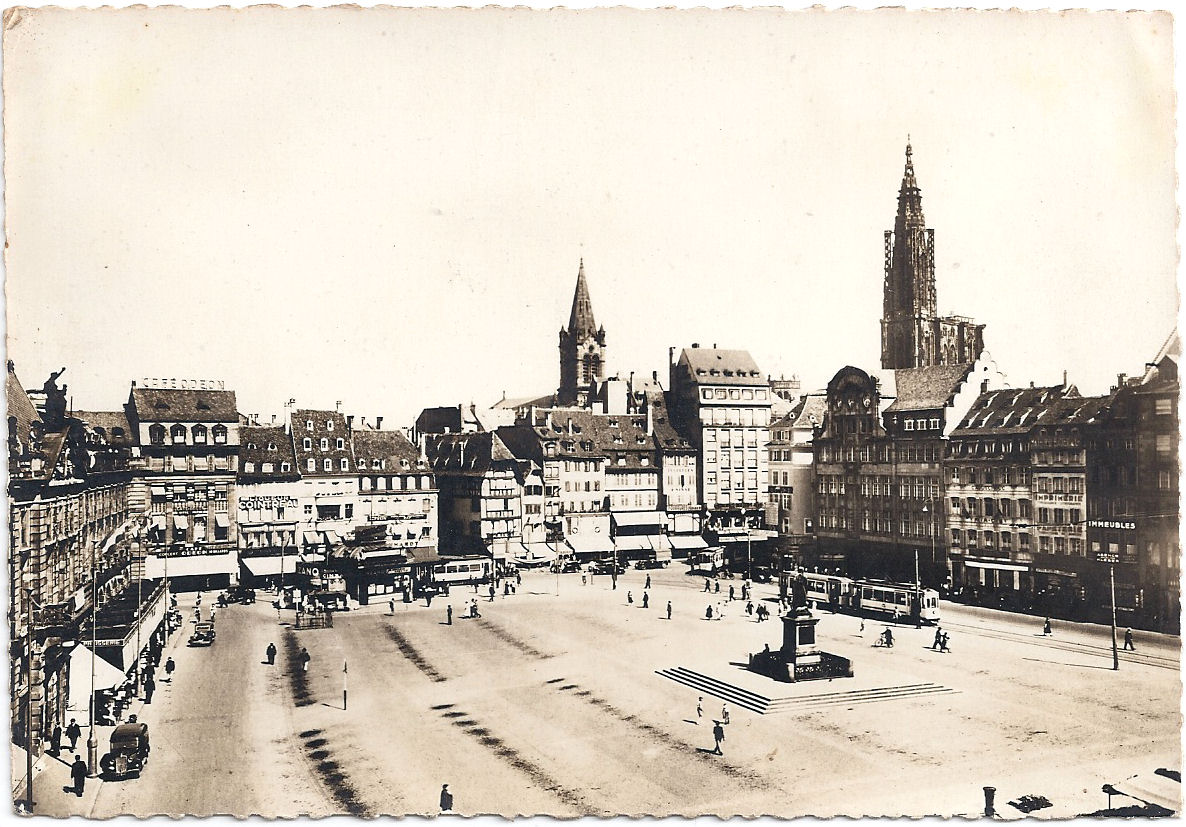
Strasbourg Place Kleber (Card undated)


All cards and the photo are my own.

Notes:

(1)    Information on Strasbourg’s architecture and monuments:  http://www.archi-strasbourg.org/

(2)    Guides Illustrées Michelin des Champs de Bataille (1914-1918) : Strasbourg, pp 5-7 and 8.
Haicot – an altered Great War monument

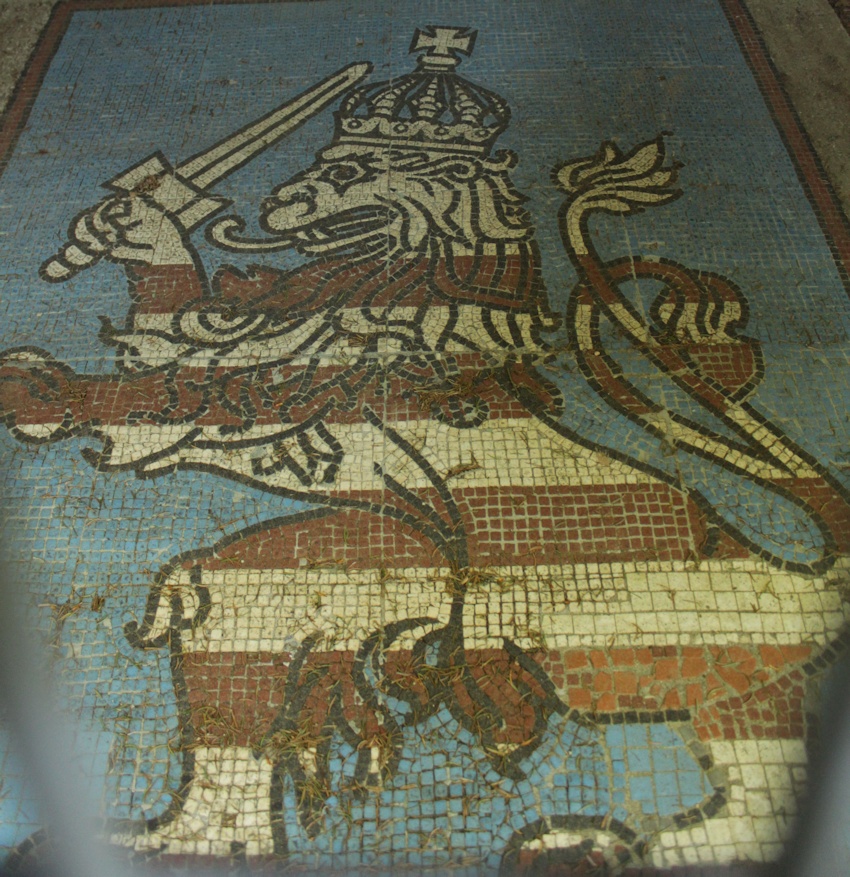
In the forest high above the Col de Bagenelles is a beautiful mosaic created by German soldiers in the Great War. Its text identifies the creators as Landsturm Friedberg and it depicts a proud, growling crowned lion bearing a sword. It is the Hessian Lion – Btl Friedberg was a Hessian unit.

Haicot lion compressed

(The edge blur is because the precious mosaic is protected by a shelter.)

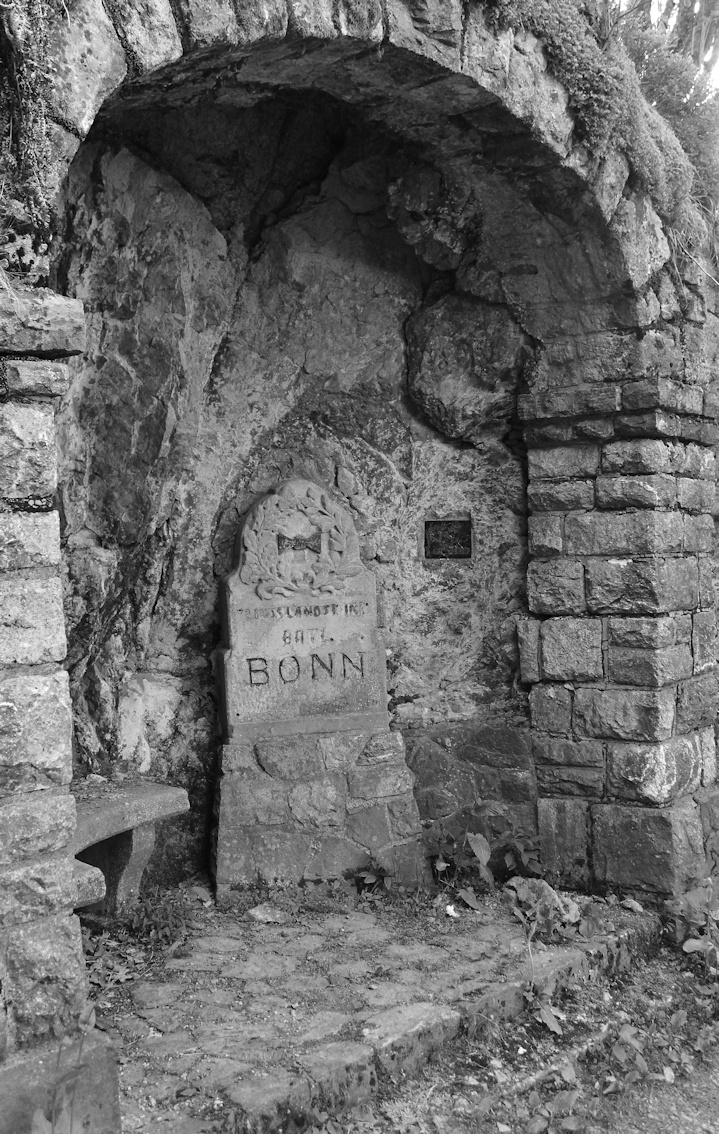
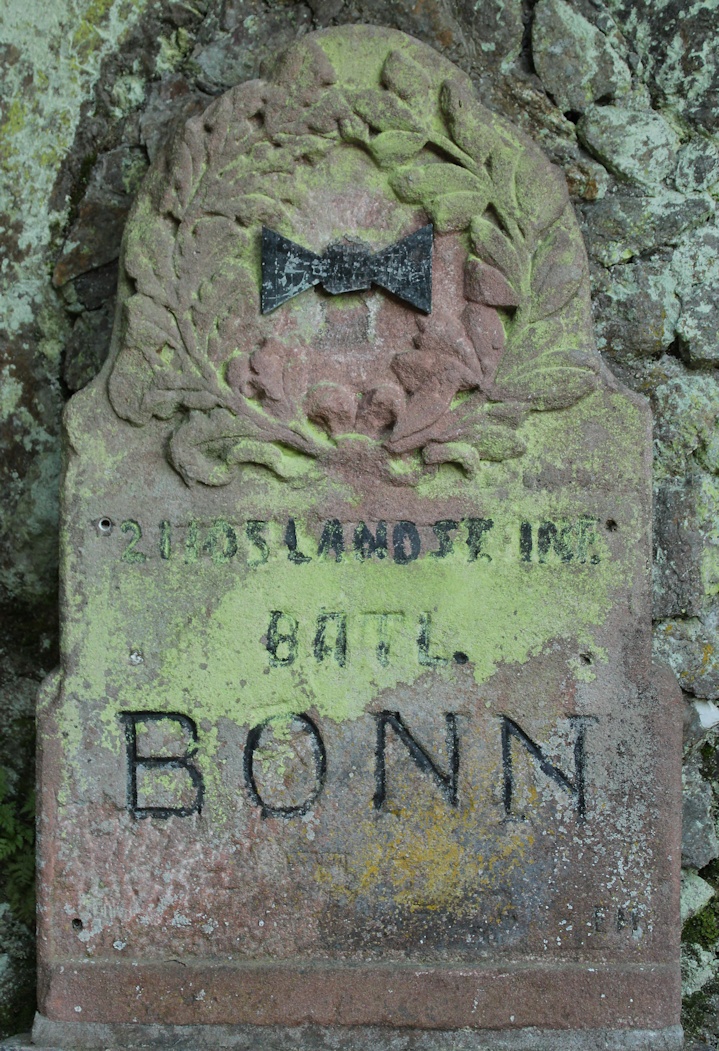
In the woods in front of the mosaic it’s easy to pick out vestiges of trenches. Walking on, eventually the path curves round the flank of the mountainside and unexpectedly you come to a small grotto which contains a monument inscribed to  2. Landsturm Infanterie Batallion 2 “Bonn” part of Landsturm VIII. Armee-Korps / Coblenz. In 1918 it became 2nd Btl, of Landsturm Infanterie Regiment 48. (Thank you to Rob Schaefer @GERArmyResearch for the assistance in deciphering this and for the information about Btl Friedberg.)

I photographed the monument in 2013 :

Haicot Bonn monument 1 compressed

The 1920s postcard below shows the grotto; and adjacent to it is a projecting structure which I believe to be part of the German position at Haicot (alternatively spelt Haycot).

Haycot l'abri

This (below) is the monument in 2013…

Haicot Bonn monument 2 compressed (my photo)

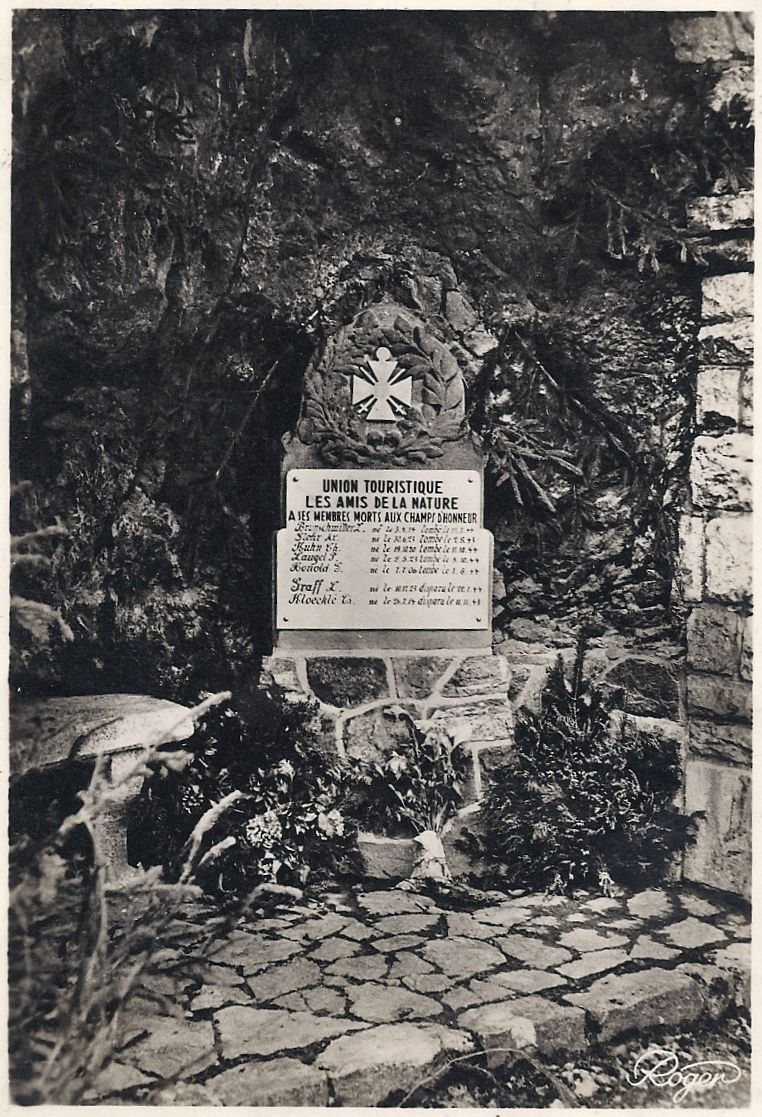
… and this (below) is a postcard photograph of it taken after the Second World War. The monument has been adapted to memorialise members of les Amis de la Nature who died in 1944. A close comparison of the ‘now’ photograph shows the holes where the Second World War memorial plaque was screwed in over the top of the original.

Haycot memorial

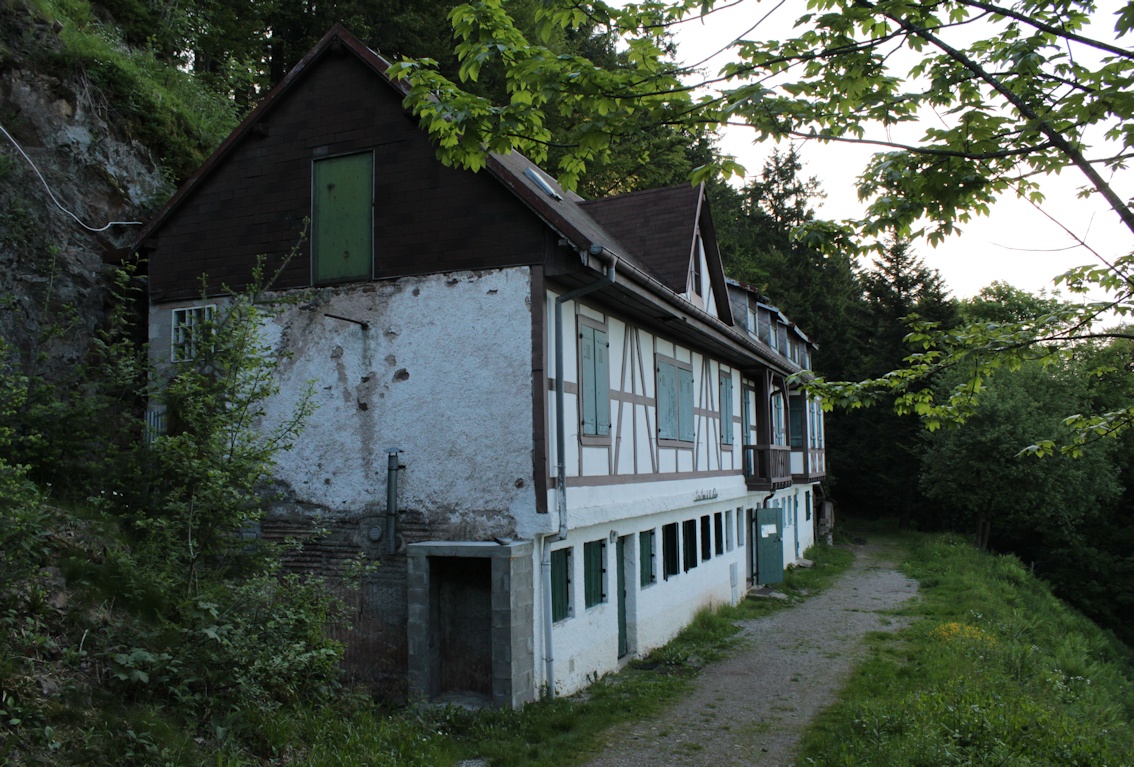
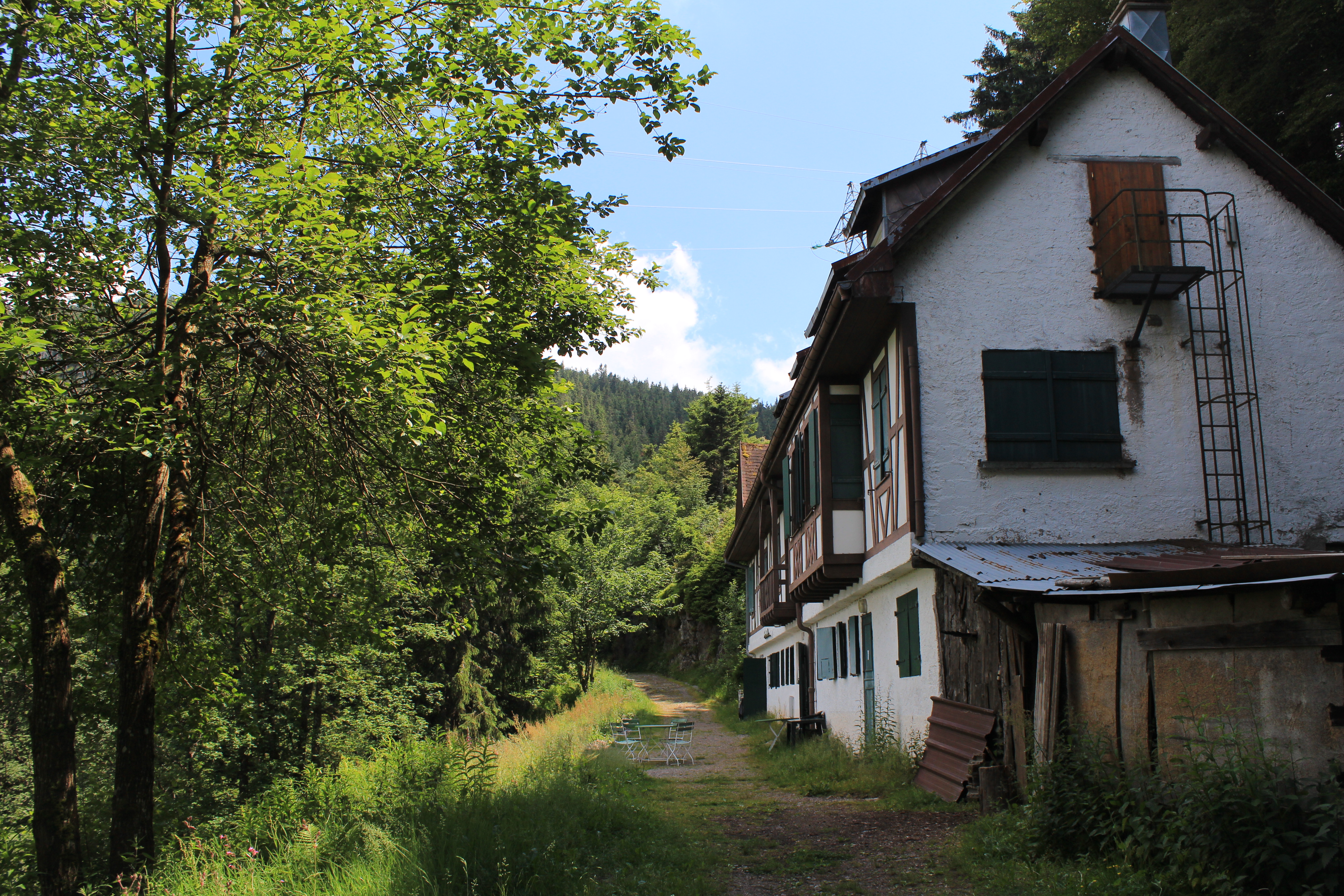
I have read elsewhere that l’Auberge du Haycot has been built on a German structure. While I do not know whether this is true or not, I believe that the author is mistaken.  Close to the Bonn monument is the Refuge de les Amis de la Nature Haycot, one of several refuges for walkers in the Vosges. (My photo, below, 2013) The owner of l’Auberge du Haycot told me that the refuge, not the Auberge, is the historic building.

Haicot refuge compressed

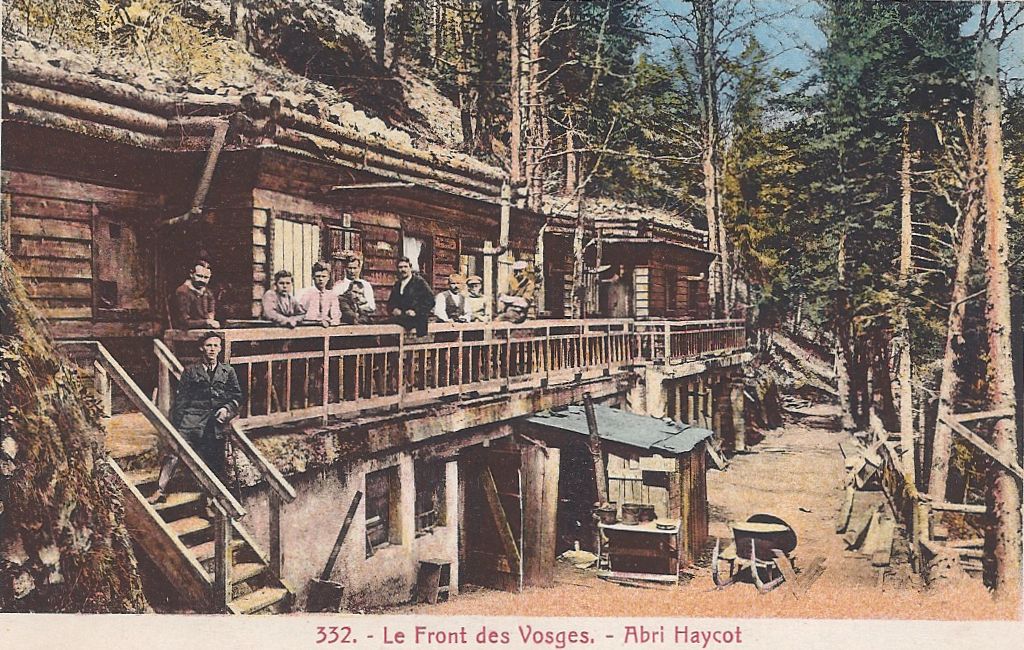
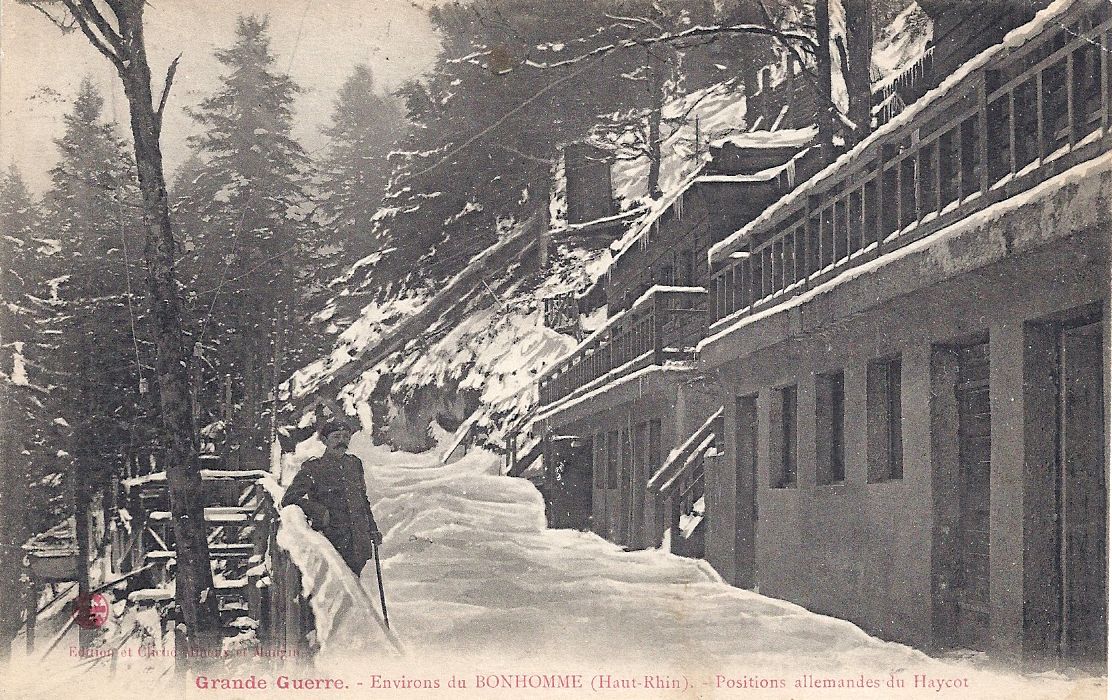
There was undoubtedly a German position at Haicot, shown in these two postcards from immediately after the First World War.

Haycot le Front des Vosges Abri Haycot

(Above. The  structure projecting over the slope ties in with that just visible in the early postcard showing the grotto: 331 Le Front des Vosges. 3rd picture from top, above.)

Haycot Positions allemandes du Haycot posted 1923

IMG_4507 (June 2014)

I am convinced that the ground floor of the current refuge is the same building as the ground floor of the premises shown in the postcards. The windows and doors match and there is early corrugated iron embedded into the wall. The landscape falls in the same way, steeply down the mountainside.

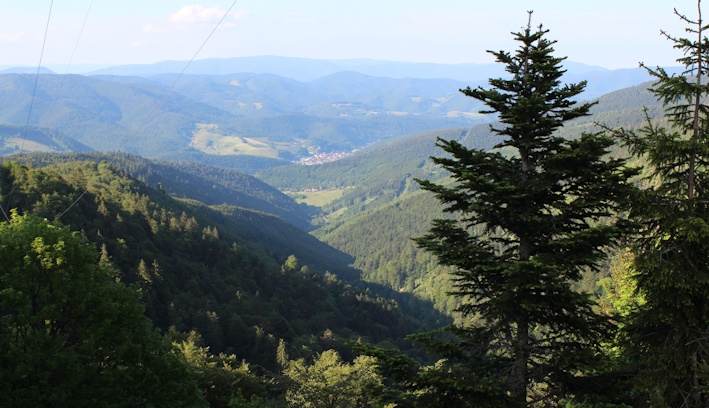
Provided that one isn’t attempting to walk to here from the Col de Bagenelles (a steep walk) and instead drives up and parks near l’Auberge du Haycot, this is an easy and rewarding walk in an important but less visited area of the early Front.

Haicot setting compressed

(My photographs and my postcards. Please don’t borrow them without asking.)

Rob Schaefer’s blog is http://gottmituns.net/ – very much worth visiting.

Debout les Morts!

Bringing the French experience of the First World War on the Western Front to English language speakers

Lucy Betteridge-Dyson

Historian & Broadcaster

WW1 Revisited

A Great War Journey with Paul Reed

Lordynges, Lystenyth

Children's stories lovingly adapted into Middle English verse by Hollie L. S. Morgan

midasinreverse: ian o'brien

Poetry, thoughts, rants by @OB1Ian

In That Rich Earth...

Great War History - reviews & articles

Expériences étrangères

Expériences étrangères

WW1 Centenary

Great War Centenary 2014-2018 website by Paul Reed

halfmuffled

Looking at the members of the Surrey Association of Church Bell Ringers who served in the First World War, and closely related matters

Blindfold and Alone

The trials of British Soldiers convicted in Capital Courts Martial during the Great War